
1-877-861-8000
Mon-Fri, 9 AM-6 PM PT
Most home monitoring kits include a blood pressure monitor, a thermometer, a finger pulse oximeter and, for trained users, a stethoscope. The styles differ mainly in how the reading is taken, how easy the display is to read and what the device remembers. Talk to your clinician about which readings to take and what to do with them.

Key takeaways
Many households and small practices keep a few basic monitoring tools on hand: a blood pressure monitor, a thermometer, a finger pulse oximeter and, for trained users, a stethoscope. Each comes in several styles, and the differences are mostly about how the reading is taken, how easy the display is to read and what the device remembers. This guide explains the main styles and what to compare on each product page.
We sell equipment, not medical advice. A home reading is a number, not an explanation. Talk to your clinician about which readings to take, how often to take them and what to do with the results, and bring your device to an appointment if you want to compare it with theirs.
An automatic monitor inflates and deflates the cuff for you and shows the result on a screen. The Omron Automatic Inflation Blood Pressure Monitor works from a single button and shows blood pressure and pulse on a large LCD. It keeps the last 14 readings, uses a D-ring standard cuff and runs on four AA batteries, which are not included, or an AC adapter.
Wrist monitors are smaller and easier to pack, and the cuff wraps around the wrist rather than the upper arm. Position matters more with a wrist unit, so follow the instructions about holding the wrist at heart level.
A manual monitor, also called a sphygmomanometer, pairs a cuff and a hand bulb with a gauge, and the user listens with a stethoscope while letting the air out. These are mainly for people trained to use them. Our tools and equipment collection includes the Graham-Field standard sphygmomanometer with a blue nylon cuff, and the monitor devices collection lists several automatic arm and wrist models.
Cuff size is the detail people most often miss. Measure around the middle of the upper arm with a soft tape and compare it with the cuff range on the listing or in the manual. A cuff that is too small or too large for the arm can throw the reading off, so check before you order, and call us if the cuff size is not listed.
Thermometers differ in where they read, how fast they work and how they are cleaned between users.
If several people share one thermometer, look for one that takes probe covers, and keep a supply on hand. Follow the manufacturer's cleaning instructions between uses.
A finger pulse oximeter clips over a fingertip and shows two numbers: SpO2, the oxygen saturation reading, and pulse rate. On the Medline Digit Finger Oximeter, the screen shows SpO2, pulse rate and a pulse strength bar. It is listed for patients from pediatric to adult, and has a large LED display with a single button. It turns itself off after 8 seconds without use, which saves the batteries.
Things to compare on an oximeter:
Cold hands, nail polish and movement can affect how an oximeter picks up a signal, so follow the instructions for use. If you were asked to track these numbers, ask your clinician which ones matter for you.
Stethoscopes are mostly bought by nurses, students and other trained users. The main choice is between a single-head chestpiece and a dual-head chestpiece, which has a diaphragm on one side and a bell on the other. The Classic Cardiology Stethoscope has a dual-head stainless steel chestpiece. Its listing gives the diaphragm as 100 to 1000 Hz and the deep bell as 20 to 100 Hz, and the stethoscope is latex free.
When you compare stethoscopes, look at the chestpiece material, single or dual tubing, the eartips, the tubing length and the warranty. Infant and neonatal models have smaller chestpieces, and teaching stethoscopes have two headsets so two people can listen at once.
Glucose meters, lancets and lancing devices are also listed in our monitoring range. The Medline EvenCare G2, for example, talks the user through each test, shows a result in 6 seconds and stores up to 300 tests. Test strips and lancets are specific to each system, so match them to your meter, and talk to your clinician about when and how often to test.
| Device | How it reads | Check on the listing |
|---|---|---|
| Automatic BP monitor | Cuff inflates by itself | Cuff size, memory, power source |
| Manual BP monitor | Hand bulb, gauge and stethoscope | Cuff size and material |
| Digital thermometer | Probe by mouth, underarm or rectal | Probe covers, beeper, memory |
| Ear or no-touch thermometer | Infrared | Speed, units, probe covers |
| Finger pulse oximeter | Clip on the fingertip | Display, age range, batteries |
| Stethoscope | Chestpiece and tubing | Single or dual head, tubing, warranty |
Want help comparing two monitors? Call 1-877-861-8000, Monday to Friday, 9 AM to 6 PM Pacific, or email contactus@medsupplynow.com. We offer free shipping on all US orders. Browse our monitor devices, our tools and equipment and the wider healthcare supplies collection.
You may also find these useful: exam room and clinic equipment, wound dressings and skin care supplies and CPAP masks explained. For every topic we cover, see the buyer's guide hub.
An automatic monitor inflates and deflates the cuff for you and shows the result on a screen. A manual monitor uses a hand bulb and a gauge, and the user listens with a stethoscope, so it is mainly for trained users.
Measure around the middle of the upper arm with a soft tape and compare it with the cuff range on the listing or in the manual. Call us if the cuff range is not listed.
Stick thermometers read by mouth, under the arm or rectally. Ear thermometers read in about a second, and no-touch models read from the forehead. If several people share one, choose a model that takes probe covers.
It shows SpO2, the oxygen saturation reading, and pulse rate. Some, such as the Medline Digit, also show pulse strength. Ask your clinician which numbers matter for you.
A dual-head chestpiece has a diaphragm on one side and a bell on the other, while a single-head model has one surface. Many nurses and students choose dual-head; check your program's requirements.
You can return most items within 30 days, and a 20% restocking fee applies. If you are not sure which model fits, phone 1-877-861-8000 before you order and we will help.
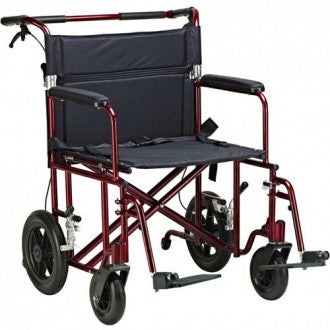 November 11, 2026
Bariatric Equipment Buyer's Guide: Lifts, Beds, Wheelchairs and Bathroom Aids
What to compare on bariatric lifts, beds, mattresses, wheelchairs, transport chairs, walkers and commodes, with capacities from the makers we...
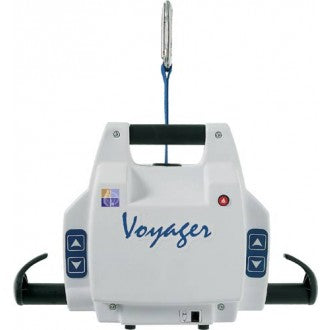 November 11, 2026
Ceiling Lifts vs. Floor Lifts: How to Choose a Ceiling or Track Lift
How ceiling lifts and floor lifts differ, the track options that need no ceiling work, and how the Voyager, Maxi...
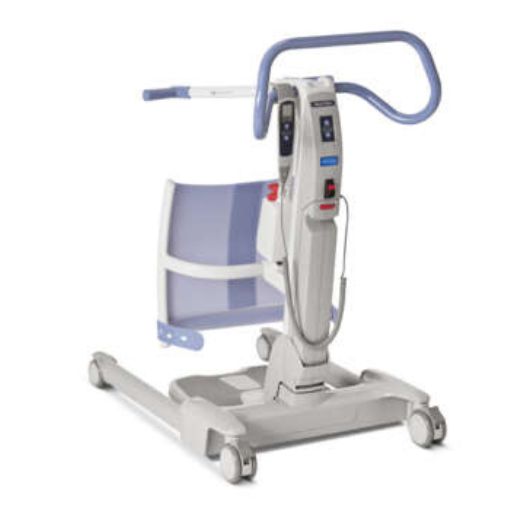 November 11, 2026
Sit-to-Stand Lifts: How to Choose a Stand Aid or Powered Stand Lift
How manual stand aids and powered sit-to-stand lifts differ, who they are meant for, and how the Arjo Sara, Hoyer...