
1-877-861-8000
Mon-Fri, 9 AM-6 PM PT
Common wound and skin care supplies include gauze, bordered (island) dressings, foam dressings, transparent films, hydrogels, retention tape and bandages, skin prep wipes and rinse-free bathing cloths. Each type does a different job. Which dressing to use, how to apply it and how often to change it are decisions for your clinician or wound care nurse.

Key takeaways
Wound and skin care supplies cover a wide range: plain gauze, dressings with an adhesive border, foam pads, clear films, gels, tapes, skin prep wipes and rinse-free bathing cloths. Caregivers often reorder these by the box or the case, so it helps to know what each type is and what to check on the listing before ordering.
We sell supplies, not medical advice. Which dressing to use, how to apply it and how often to change it are decisions for your clinician or wound care nurse. Use this guide to understand the product types and to match a written care plan to the right listing, and talk to your clinician before you switch to a different type.
Gauze is the most basic dressing material. Woven gauze sponges are made of cotton and folded so the cut edges stay inside; Medline's gauze sponges, for example, are 100% cotton with folded edges that do not unravel. Gauze is sold sterile in individual envelopes or non-sterile in bulk, in several sizes and ply counts, so check all three against the care plan.
An island dressing puts an absorbent pad in the center of an adhesive backing, so the dressing stays in place without separate tape. The Medline Bordered Gauze is an island dressing with a heavy-duty absorbent pad held by a soft, flexible non-woven backing whose edges are adhesive. Check the overall size and the size of the pad itself, because the listed size usually includes the border.
Foam dressings are thicker and softer than gauze and are often chosen for areas with more fluid. Optifoam Adhesive is a foam island dressing with a micropore foam pad designed for low adherence. The island expands as it absorbs, and the backing changes how much moisture vapor it lets through depending on how much fluid is present. Foam dressings come with and without an adhesive border, so read the description carefully.
Film dressings are thin, clear and waterproof. Because you can see through them, they are often used to cover sites that need to stay visible, such as I.V. sites. The Suresite Window is a transparent film for I.V. sites that conforms to hard-to-dress areas. Films do not absorb fluid, so they are a different tool from gauze or foam.
Hydrogels are water-based gels sold in tubes, as sheets or soaked into gauze. Medline Skintegrity, for example, is a clear, greaseless gel made with glycerin and aloe that is used to keep a wound moist. Hydrogels are usually paired with a cover dressing, so ask your clinician which cover to use with one.
Dressings without an adhesive border need something to hold them in place. Options include paper and cloth tape, retention sheets such as Medfix, elastic bandages and cohesive bandages that stick to themselves rather than to skin. Check the width, the roll length and whether the product is latex free.
| Type | What it is | Check on the listing |
|---|---|---|
| Gauze sponges and pads | The most basic dressing material, made of woven cotton | Sterile or non-sterile, size and ply count |
| Bordered (island) dressing | An absorbent pad in the center of an adhesive backing | Overall size and the size of the pad |
| Foam dressing | Thicker and softer than gauze | With or without an adhesive border |
| Transparent film | Thin, clear and waterproof; does not absorb fluid | Size and the site it is made for |
| Hydrogel | Water-based gel in a tube, as a sheet or soaked into gauze; usually paired with a cover dressing | Form: tube, sheet or gauze |
| Retention tape, sheets and bandages | Hold dressings that have no adhesive border in place | Width, roll length and whether it is latex free |
This table describes product types only. Match the type, size and change schedule to your written care plan.
Skin prep wipes leave a thin film on the skin before an adhesive product, such as tape, a dressing or an ostomy pouch, is applied. The Medline Sureprep No-Sting wipes are alcohol free and dry quickly to a clear, non-oily, waterproof film. They are sold in a box of 50 or a case of 500. Moisture barrier creams and pastes are a related group, often used around the perineal area; check the listing for the base ingredient and tube size.
For people who cannot easily get to a shower, pre-moistened cloths and no-rinse cleansers make bed or chair bathing simpler. Medline ReadyBath Complete washcloths are single-use, 8 by 8 inch cloths with a rinse-free formula. Each pack holds 8, and the case holds 30 packs. The cloths are alcohol free and latex free, and the listing refers to both a scented and a fragrance-free formula, so check which one arrives before you order a case. No-rinse shampoo, body bath and peri-wash are also listed.
A dressing change usually involves more than the dressing. Caregivers often keep disposable exam gloves, a clean underpad, saline or a cleanser named in the care plan, scissors and a small bag for used materials close by. Setting everything out on a clean surface before starting makes the job easier, and keeping a printed copy of the care plan with the supplies means anyone helping can follow the same steps.
Need help matching a care plan to a listing? Call 1-877-861-8000, Monday to Friday, 9 AM to 6 PM Pacific, or email contactus@medsupplynow.com. Every US order of $50 or more ships free. Browse our healthcare supplies, skincare and personal care collections.
You may also find these useful: urinary catheters and drainage bags, exam room and clinic equipment and home health monitors. For every topic we cover, see the buyer's guide hub.
Gauze is a woven or non-woven cotton pad. Foam dressings are thicker and softer and absorb more fluid. Film dressings are thin, clear and waterproof and do not absorb fluid. Your clinician will say which type suits the care plan.
It is a dressing with an absorbent pad in the center of an adhesive backing, so it stays in place without separate tape. The listed size usually includes the border, so check the pad size too.
Talk to your clinician or wound care nurse before switching types or brands. If the care plan names a type and size, we can help you find a listing that matches it.
Skin prep wipes leave a thin film on the skin before an adhesive product, such as tape, a dressing or an ostomy pouch, is applied. The Medline Sureprep No-Sting wipes are alcohol free and sold in boxes of 50 or cases of 500.
Many are sold both ways. A case usually holds several boxes, so check the count on the listing before ordering.
Yes. We carry pre-moistened washcloths such as Medline ReadyBath, plus no-rinse shampoo, body bath and peri-wash. Call 1-877-861-8000 if you need help choosing one.
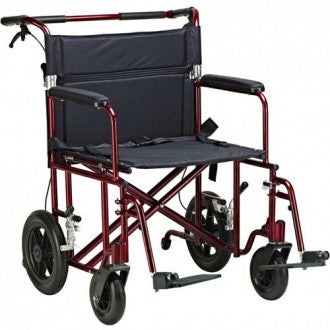 November 11, 2026
Bariatric Equipment Buyer's Guide: Lifts, Beds, Wheelchairs and Bathroom Aids
What to compare on bariatric lifts, beds, mattresses, wheelchairs, transport chairs, walkers and commodes, with capacities from the makers we...
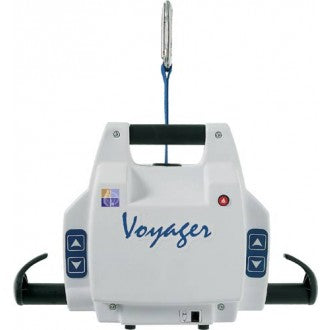 November 11, 2026
Ceiling Lifts vs. Floor Lifts: How to Choose a Ceiling or Track Lift
How ceiling lifts and floor lifts differ, the track options that need no ceiling work, and how the Voyager, Maxi...
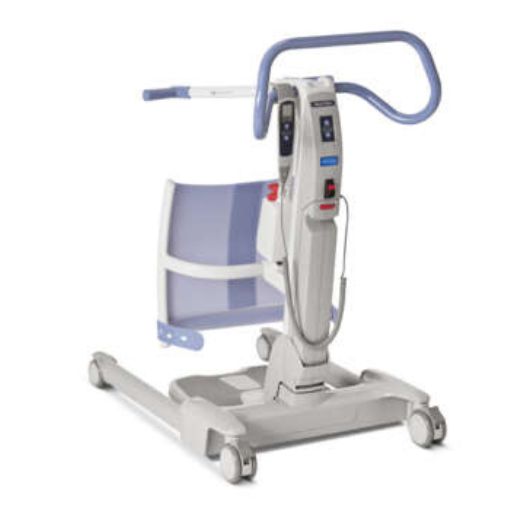 November 11, 2026
Sit-to-Stand Lifts: How to Choose a Stand Aid or Powered Stand Lift
How manual stand aids and powered sit-to-stand lifts differ, who they are meant for, and how the Arjo Sara, Hoyer...