
1-877-861-8000
Mon-Fri, 9 AM-6 PM PT
A CPAP machine is a bedside device that blows pressurized air through a hose and mask at settings taken from a prescription. To choose one, compare fixed versus auto-adjusting pressure, the humidifier, size and weight for travel, published noise levels, data and app options, mask and tubing compatibility, and power options.
Key takeaways
CPAP stands for continuous positive airway pressure. Most machines look alike from the outside, but they differ in how they set pressure, how they add moisture to the air, how much they weigh and how they record data. This guide walks through each difference and ends with a checklist. It covers the equipment only and gives no health advice.
We sell equipment, not medical advice. As our product pages state, customers will need to provide prescriptions for respiratory devices, and for CPAP and BiPAP equipment a valid prescription is required where applicable. Pressure settings come from your prescriber, so talk to them or your equipment provider about which features suit you.
Fixed-pressure CPAP. The machine delivers air at one pressure setting all night. These machines are usually simpler and often cost less.
Auto-adjusting machines (often called APAP or auto CPAP). The machine changes the pressure through the night within a minimum and maximum set by the prescriber. Many auto machines can also run in a fixed-pressure mode.
Both types commonly offer a ramp, which begins below the set pressure and climbs to it over a period you choose, and many offer an exhale setting that eases the pressure a little as you breathe out. Names for these features differ by manufacturer. Bilevel (BiPAP) machines, which use two separate pressures, are a different category and are not covered here.
Most current machines either have a heated humidifier built in or accept one that clips on. The humidifier warms water in a small chamber so the air picks up moisture before it reaches the mask. Points to compare:
Full-size machines are made to sit on a nightstand and usually include the humidifier. Travel machines are much smaller and lighter, and many leave out the water humidifier; some accept a waterless insert instead. If you plan to travel often, compare the weight with and without the humidifier, the overall size, and whether a carry bag is included.
Manufacturers publish a sound level in decibels (dBA), measured in a standard lab test. Lower numbers are quieter, but compare figures from the spec sheets rather than marketing copy, and keep in mind that the mask's vent and how well it fits also affect what you hear in the room.
Many machines record usage hours, mask leak and pressure data. Depending on the model, data is stored on a memory card or sent through a built-in wireless connection to a manufacturer app or portal, where it can be shared with your prescriber or equipment provider. Before you buy, check:
Most masks connect to CPAP tubing with a standard connector, so a full face, nasal or nasal pillows mask from one brand will usually fit a machine from another. Tubing is where differences show up: standard and slim tubes have different inner diameters, and heated tubes are usually made for one machine family. Some machines also have a setting for the mask type. Our CPAP masks guide explains the three mask styles and sizing, and replacement parts are in our masks and accessories collection.
| Feature | What it means | What to check |
|---|---|---|
| Pressure type | Fixed pressure, or auto-adjusting within a set range | Which modes the machine offers and what your prescription specifies |
| Comfort settings | Ramp and exhale pressure setting | Whether they are included and how they are adjusted |
| Humidification | Heated water chamber, built in or separate; optional heated tube | Chamber size, cleaning, and which tubes fit |
| Size and weight | Bedside unit or travel unit | Weight with and without the humidifier, carry bag |
| Noise | Published sound level in dBA | The figure on the spec sheet |
| Data and apps | Memory card, Bluetooth or cellular data | App, account and data-sharing terms |
| Mask and tubing | Standard mask connector; standard, slim or heated tubes | Tube type and any mask-type setting |
| Power | AC supply, DC cable, external battery | Voltage range, battery options, FAA statement |
Have a question about a machine or its accessories? Call 1-877-861-8000, Monday-Friday, 9 AM-6 PM Pacific, or email contactus@medsupplynow.com. You can see the machines we list in our CPAP machines collection and related equipment in CPAP, BiPAP and respiratory.
You may also find these useful: CPAP masks explained and home health monitors. For every topic we cover, see the buyer's guide hub.
A CPAP machine delivers one fixed pressure. An APAP, or auto CPAP, changes the pressure within a minimum and maximum set by the prescriber, and many can also run at a fixed pressure.
Most current machines have a built-in or clip-on heated humidifier, and on most it can be turned off. Ask your prescriber or equipment provider about the settings that suit you.
Most masks use a standard connector and fit most machines. Check the tubing instead: standard, slim and heated tubes differ, and heated tubes usually fit one machine family only.
Many manufacturers state that their machines meet FAA requirements for use on board. Check the manufacturer's statement for your machine and ask your airline before you travel.
Customers will need to provide prescriptions for respiratory devices, and for CPAP and BiPAP equipment a valid prescription is required where applicable. Call us at 1-877-861-8000, Monday to Friday, 9 AM to 6 PM PT, with any questions.
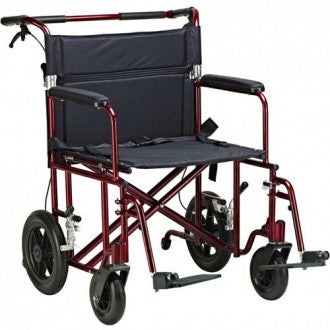 November 11, 2026
Bariatric Equipment Buyer's Guide: Lifts, Beds, Wheelchairs and Bathroom Aids
What to compare on bariatric lifts, beds, mattresses, wheelchairs, transport chairs, walkers and commodes, with capacities from the makers we...
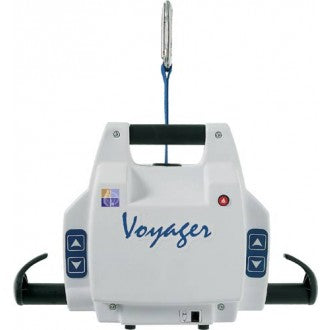 November 11, 2026
Ceiling Lifts vs. Floor Lifts: How to Choose a Ceiling or Track Lift
How ceiling lifts and floor lifts differ, the track options that need no ceiling work, and how the Voyager, Maxi...
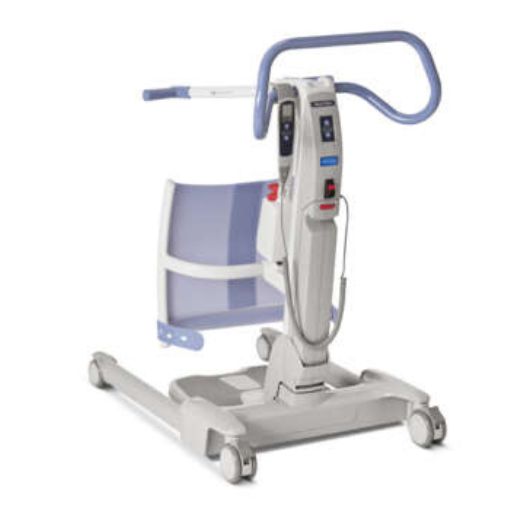 November 11, 2026
Sit-to-Stand Lifts: How to Choose a Stand Aid or Powered Stand Lift
How manual stand aids and powered sit-to-stand lifts differ, who they are meant for, and how the Arjo Sara, Hoyer...