1-877-861-8000
Mon-Fri, 9 AM-6 PM PT
Knee braces range from light knitted sleeves to wraparound braces and hinged frames with adjustable stops. Back supports range from soft elastic, knit or neoprene lumbar supports and belts to firmer LSO braces with front and back panels. Most braces are sized by a body measurement rather than clothing size, so check each model's chart.

Key takeaways
Knee and back braces run from a light knitted sleeve to a hinged frame with adjustable stops. The right one depends on what the brace has to do, how and where it will be worn, and whether it matches the wearer's measurements. This guide walks through the main types, explains how brace sizing usually works and finishes with a short checklist.
We sell braces, not medical advice. If a brace was suggested after surgery, for a specific problem or as part of a care plan, talk to your clinician about the type, the size and how long to wear it. Some braces need a prescription or a professional fitting, and your clinician can tell you whether yours does.
A sleeve pulls on over the foot and sits around the knee with even compression. It is the lightest style and usually fits under loose trousers. Some sleeves add a ring or pad around the kneecap. The medi Genumedi Knee Support, for example, keeps a silicone ring in a pocket on the inside, over the kneecap, and has silicone dots along the top edge to help it stay put. Neoprene sleeves such as the Össur Formfit Neoprene Knee Sleeve are sold with an open or a closed patella, so you can choose whether the front of the knee is covered.
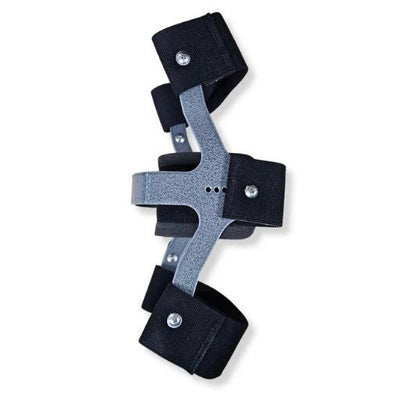
Wraparound braces open flat and close with straps, which helps when pulling a sleeve over the foot is awkward. Hinged braces add rigid side bars with a hinge at the knee, and many allow extension and flexion stops that limit how far the knee straightens or bends. The Össur Rebound Hinged Knee Brace (ROM) comes as a sleeve or a wrap, each in a long or short length, and ships with extension and flexion stop kits. Stop settings should come from your clinician rather than guesswork at home.
Two more groups are normally chosen with professional input. Unloader braces, listed in our OA knee braces collection, are a specialized hinged design that is normally prescribed and fitted. Post-op braces, in our post-op braces collection, are long hinged braces with range-of-motion controls. Talk to your clinician before buying either type, because the model, the settings and the fit belong to the care plan.
Össur's CTi®3 sports brace has its own measuring and ordering steps, which our CTi®3 knee brace guide explains.
Soft supports wrap around the lower back and fasten at the front. They are made from elastic, knit or neoprene, and many have flexible stays sewn into the back panel. The medi Lumbamed Basic is a flat-knit lumbar support with spring stays in the back and hand loops in the closure that make it easier to pull snug. It is offered in a men's cut and a women's cut. Work belts and sacroiliac belts are other soft styles; a sacroiliac belt sits lower, around the hips.
LSO stands for lumbar sacral orthosis. An LSO is firmer than a soft support and usually combines front and back panels, stays and a pulley or cable system for tightening. The Aspen Horizon 631 LSO has a low profile for wear under clothing, and the top and bottom of the brace tighten separately. It is one size, adjustable for waists of 24 to 50 inches, and the listing gives a larger range when extension panels are used. LSOs are often suggested after a specific event or procedure, so talk to your clinician about whether one fits your plan and how firmly to wear it.
Posture supports and figure-8 straps draw the shoulders back lightly as a reminder to sit or stand tall. Think of them as comfort and positioning products, and ask a professional if you are unsure whether one suits you.
| Type | What it is | Usually sized by |
|---|---|---|
| Knee sleeve or knitted support | Pulls on over the foot and sits around the knee; the lightest style | Thigh and calf measurements above and below the kneecap |
| Wraparound knee brace | Opens flat and closes with straps | The size chart on the listing |
| Hinged knee brace | Rigid side bars with a hinge at the knee; many allow extension and flexion stops | Often thigh measurement |
| Soft lumbar support or belt | Elastic, knit or neoprene; wraps the lower back and fastens at the front | Waist or hips where it will sit |
| LSO brace | Firmer; front and back panels, stays and a pulley or cable system | Waist or hips where it will sit |
The table sums up the styles described above. Charts vary between brands, so always measure against the chart on the product page.
The same ideas carry over to smaller braces. Ankle sleeves and stirrups, wrist and thumb splints, elbow straps and shoulder slings all come in soft and rigid versions, and many are made for the left or the right side. Browse our ankle supports, wrist supports and arm supports, then follow the sizing steps below.
Most braces are sized by a body measurement rather than by clothing size. Each manufacturer publishes its own chart, and charts vary between brands, so always compare against the chart on the product page you are looking at.
Use a soft tape measure, keep it level and snug without pulling tight, and write the number down. If you fall between two sizes, look for the manufacturer's note on the product page or call us before you order. A brace that is too loose tends to slide, and one that is too tight is uncomfortable to wear, so the fit matters more than the size label.
Not sure which style or size to choose? Call 1-877-861-8000, Monday to Friday, 9 AM to 6 PM Pacific, or email contactus@medsupplynow.com. Free US shipping applies to orders of $50 or more. You can browse every brace in our bracing and support collection, or go straight to knee braces or back braces and supports.
You may also find these useful: Össur CTi®3 knee brace guide and home exercise and rehab equipment. For every topic we cover, see the buyer's guide hub.
A sleeve is a pull-on knit or neoprene support with even compression and no rigid parts. A hinged brace adds side bars and a hinge at the knee, and many models let a clinician set stops that limit how far the knee bends or straightens.
Use a soft tape and measure where the size chart on the product page asks, often around the thigh and calf above and below the kneecap with the leg straight. Charts differ between brands, so compare against the chart for the brace you are buying.
Most back supports and LSO braces are sized by waist or hip measurement at the height where the brace sits. Some, such as the Aspen Horizon 631 LSO, are one size with a wide adjustable range.
Some braces are sold over the counter, while others need a prescription or a professional fitting. Talk to your clinician, especially about post-op, unloader and LSO braces.
Most items have a 30-day return window, and a 20% restocking fee applies. See our returns policy page, or call 1-877-861-8000 before ordering if you are unsure about the size.
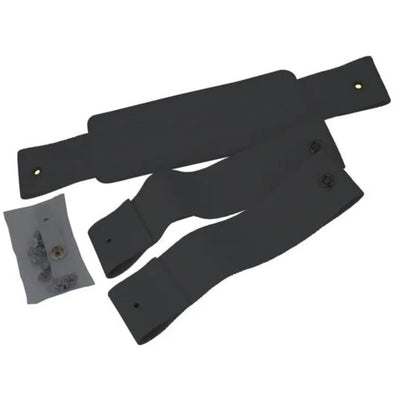
Replacement straps, liners and pads for the Össur CTi range are listed in our knee braces collection. For other brands, call us with the model name and we will check what is available.
 November 11, 2026
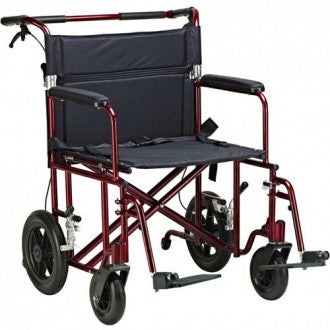
Bariatric Equipment Buyer's Guide: Lifts, Beds, Wheelchairs and Bathroom Aids
What to compare on bariatric lifts, beds, mattresses, wheelchairs, transport chairs, walkers and commodes, with capacities from the makers we...
 November 11, 2026
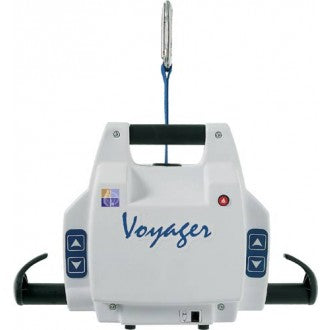
Ceiling Lifts vs. Floor Lifts: How to Choose a Ceiling or Track Lift
How ceiling lifts and floor lifts differ, the track options that need no ceiling work, and how the Voyager, Maxi...
 November 11, 2026
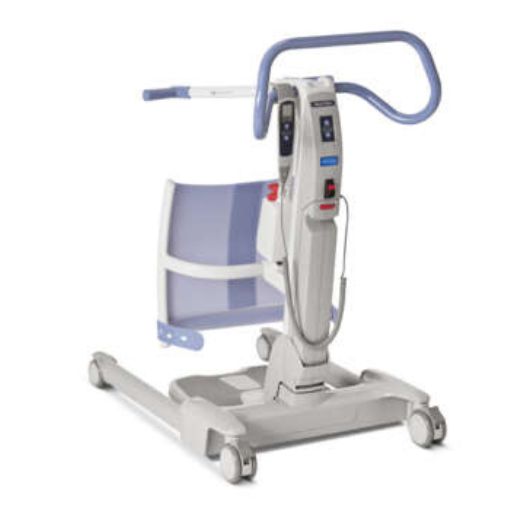
Sit-to-Stand Lifts: How to Choose a Stand Aid or Powered Stand Lift
How manual stand aids and powered sit-to-stand lifts differ, who they are meant for, and how the Arjo Sara, Hoyer...